


Small Dog Winter Boots Guide 2025-26: How To Keep Tiny Paws Warm, Safe, And Actually Walking
When winter hits, tiny paws feel it fast, and with 94 million U.S. households now owning at least one pet in 2025, more pups than ever are facing cold sidewalks, ice, and sidewalk salt on their daily walks. We put this guide together to help you choose small dog winter boots that your little buddy will actually keep on, so you both enjoy winter instead of rushing back inside.
Key Takeaways
| Question | Short Answer |
|---|---|
| What are the best small dog winter boots for tiny breeds? | For everyday winter walks, our Maya Small Dog Winter Boots (set of 4, $12.99) are designed specifically for Chihuahuas and other tiny paws. |
| Do small dogs really need winter boots? | Yes, especially in areas with snow, ice, or road salt, since thin paw pads get cold quickly and can crack or get irritated. |
| How do I know if boots fit my small dog? | Measure paw width, check that the boot opening is snug but not tight, and make sure your dog can walk without slipping or kicking them off. |
| What should I pair with winter boots for full-body warmth? | Combine boots with a warm coat or tracksuit from our pet costumes and apparels collection so your pup stays cozy from nose to tail. |
| Are boots enough, or do I need to protect paws after walks too? | Boots help a lot, but rinsing and drying after walks with gentle products like Cedric's Bath Brush Kit keeps paws clean and comfy. |
| How do I keep my dog relaxed during post-walk cleanups? | Use calm routines and tips, like those in Cedric's Calming Bath Guidebook, so winter grooming feels like bonding time instead of a battle. |
| What is the best towel to quickly dry a small dog after snowy walks? | A super absorbent towel, such as Cedric's Favourite Ducky Towel, makes it easier to dry wet paws and fur fast. |
Why Small Dogs Need Winter Boots More Than You Think
Small dogs are closer to the ground, so they lose heat faster and take the full impact of snow, slush, and salt every time they step outside. Their paw pads are often thinner than those of larger breeds, so even a short walk can feel like walking barefoot on frozen gravel. Boots for little dogs are not just about cuteness, they are about avoiding cracked pads, chemical burns from de‑icing salt, and painful ice balls stuck between toes.
- Cold protection: Insulated boots keep paws from going numb on icy sidewalks.
- Salt and chemical barrier: A boot layer prevents direct contact with de‑icing products.
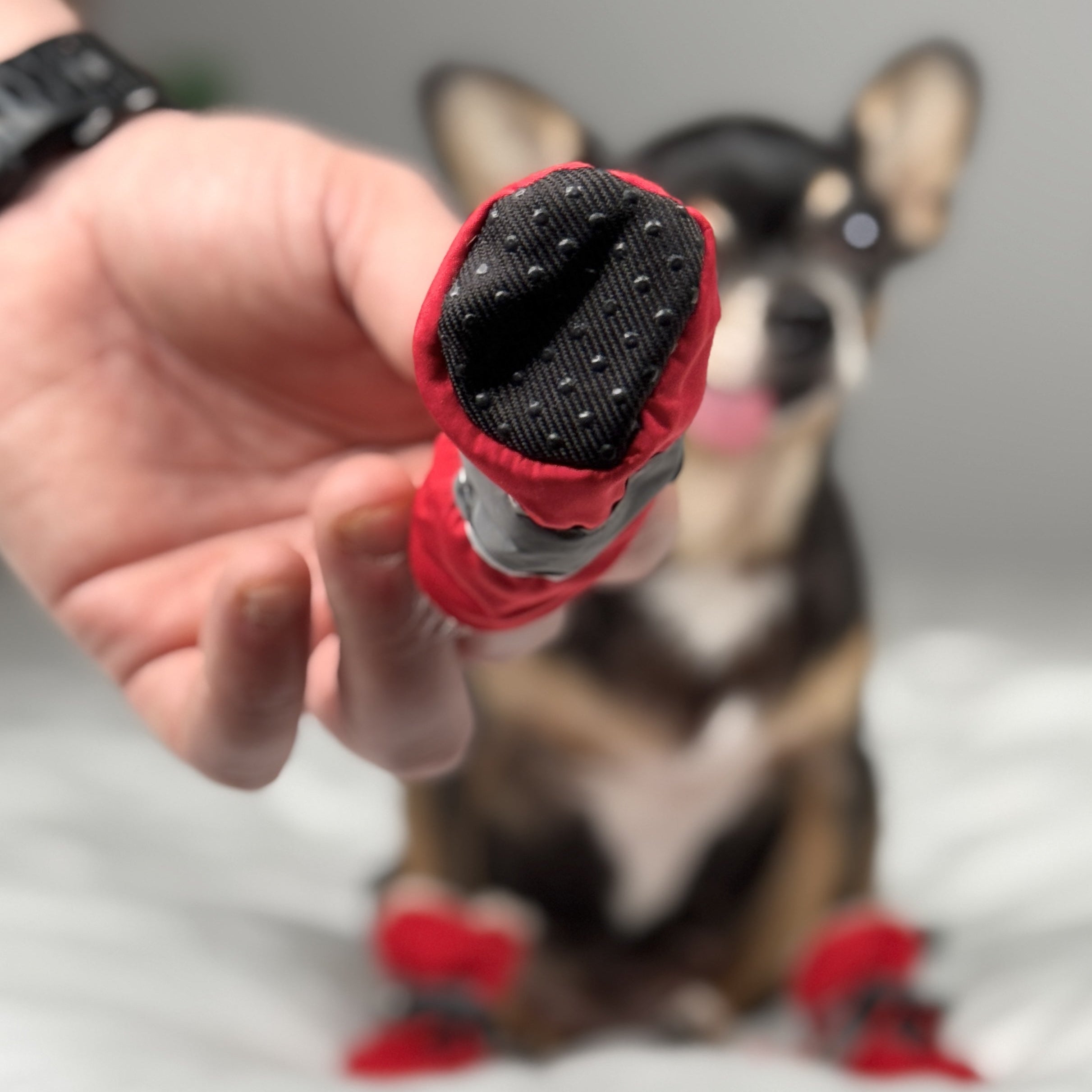
- Grip on ice: Textured soles help your dog stay upright and confident.
- Indoor cleanliness: Less snow, dirt, and grit tracked onto your floors.

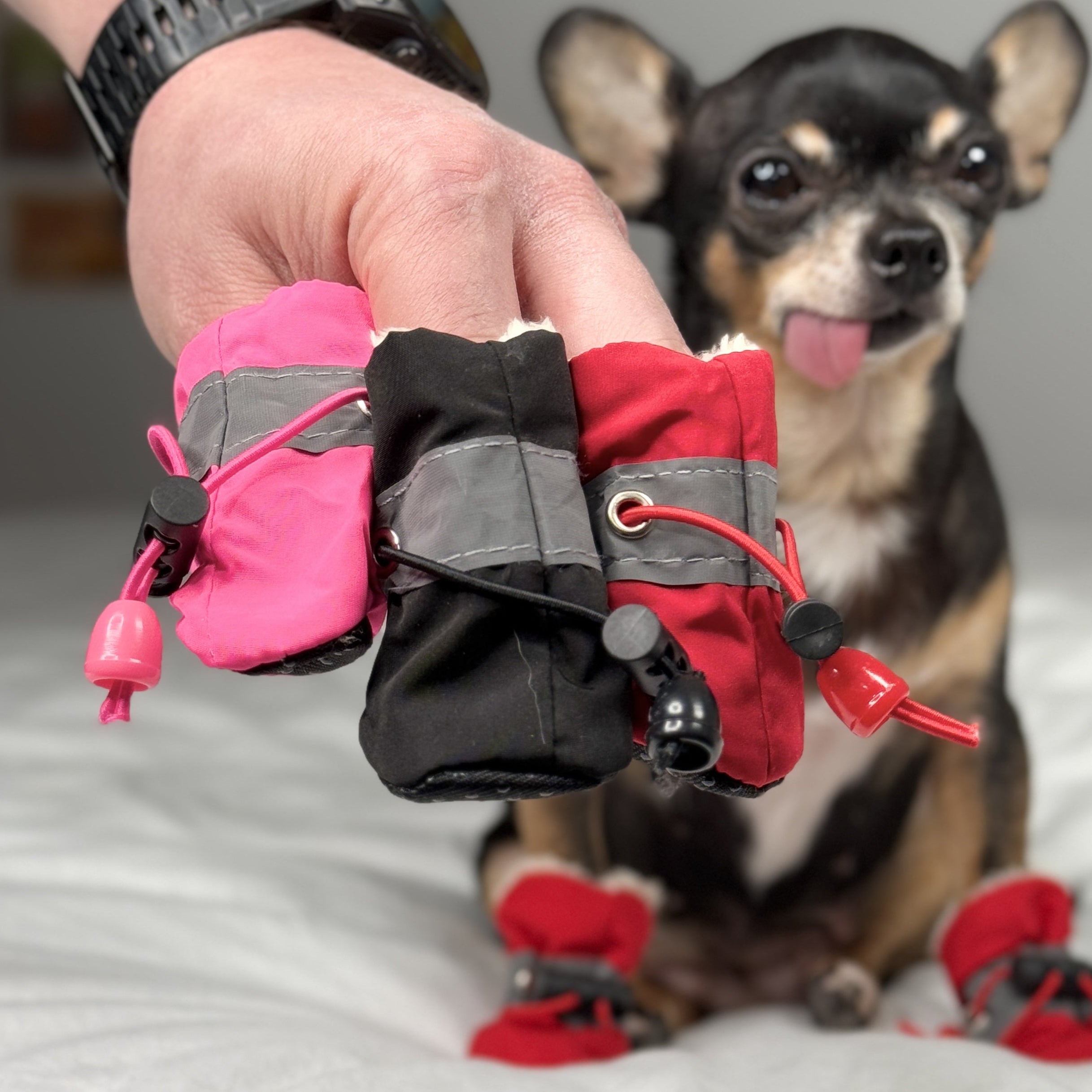
We test our winter gear on real tiny paws in real Canadian winters, so we know exactly what works on icy sidewalks and salty streets.
Maya Small Dog Winter Boots Overview: Features, Fit, And Price
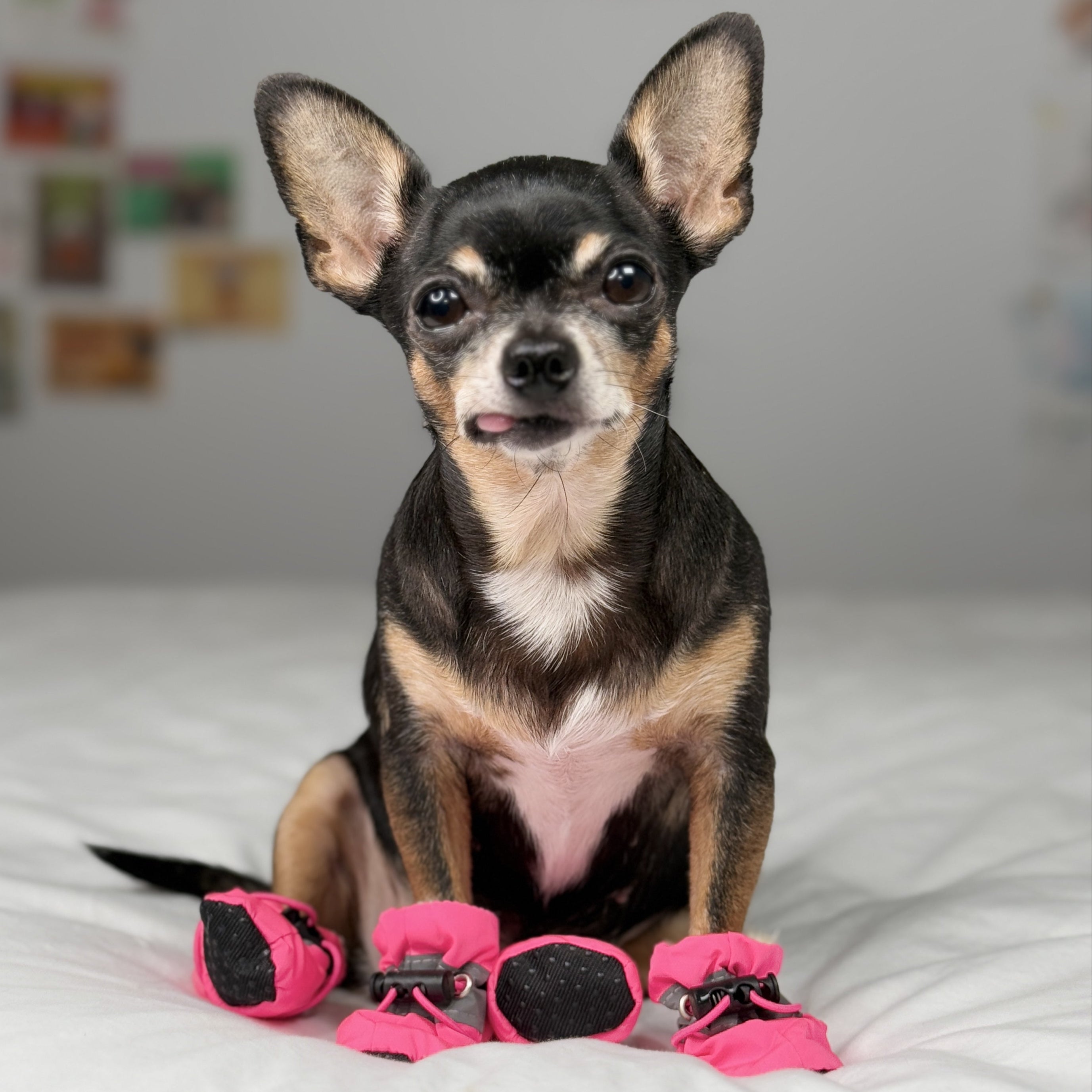
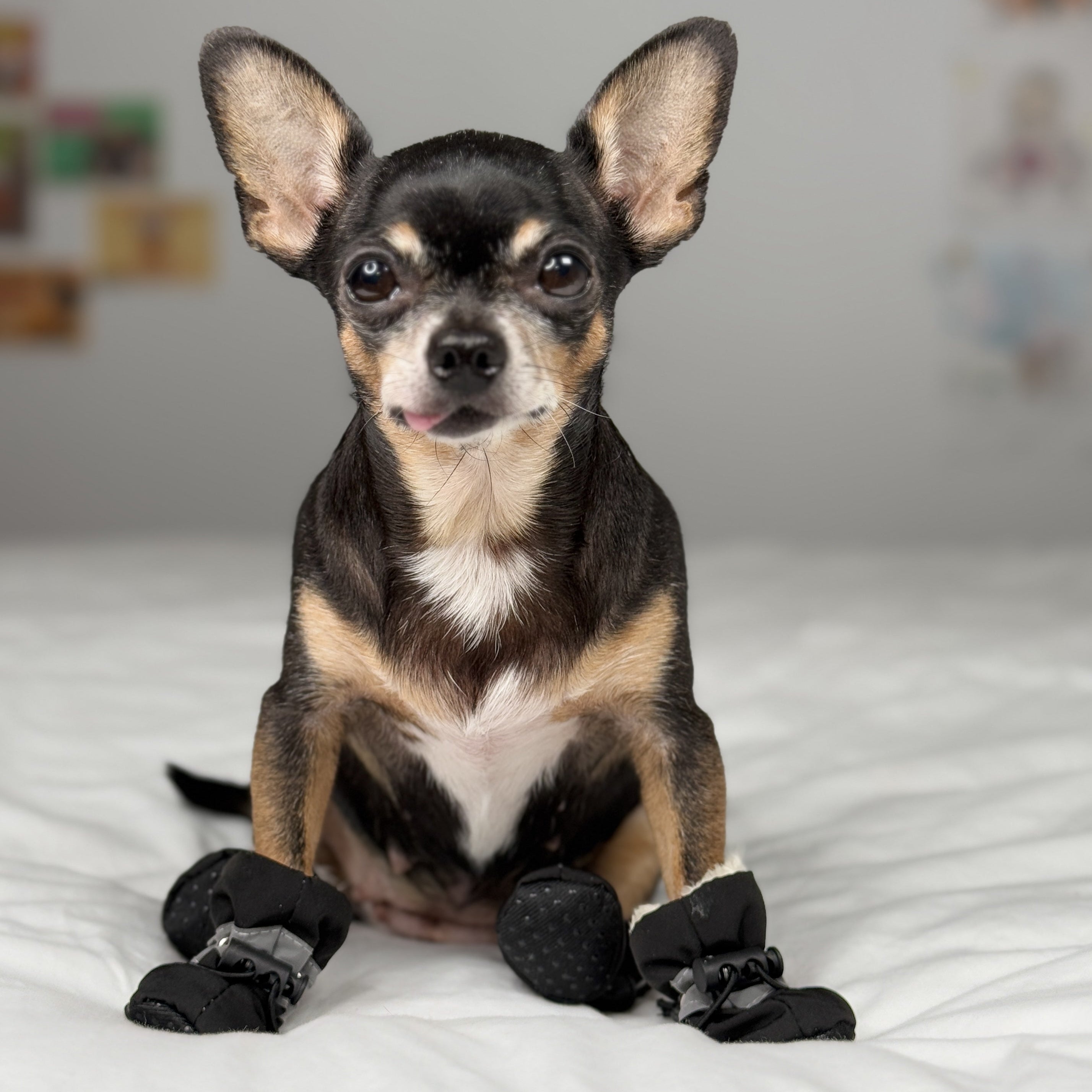
Our Maya Small Dog Winter Boots are built from tiny‑paw experience, especially for Chihuahuas and similarly sized dogs. They have been trusted across three Canadian winters, which means they stay on for short outings and light play without constant readjusting. Priced at $12.99 for a set of 4, they give full paw coverage without needing to mix and match pairs.
Key Features For Tiny Paws
- Lightweight construction: Helps hesitant pups accept the “weird new shoes” feeling faster.
- Snug, secure closure: Designed to reduce slipping off mid‑walk on skinny legs.
- Everyday winter use: Ideal for quick potty breaks, sidewalk walks, and errands around the block.
Best For
- Chihuahuas, toy poodles, Yorkies, and other toy breeds.
- Owners who want a practical winter boot without a high price tag.
- Short to medium winter walks in snow, light slush, and salted streets.
| Feature | Why It Matters |
|---|---|
| Set of 4 boots | Covers all paws so your dog walks evenly and comfortably. |
| Lightweight | Helps tiny dogs lift their paws without tripping or freezing in place. |
| Snug fit | Reduces slipping off skinny ankles during walks. |
| Budget friendly | $12.99 is accessible for most pet parents and multi‑dog homes. |
How To Measure Your Small Dog For Winter Boots
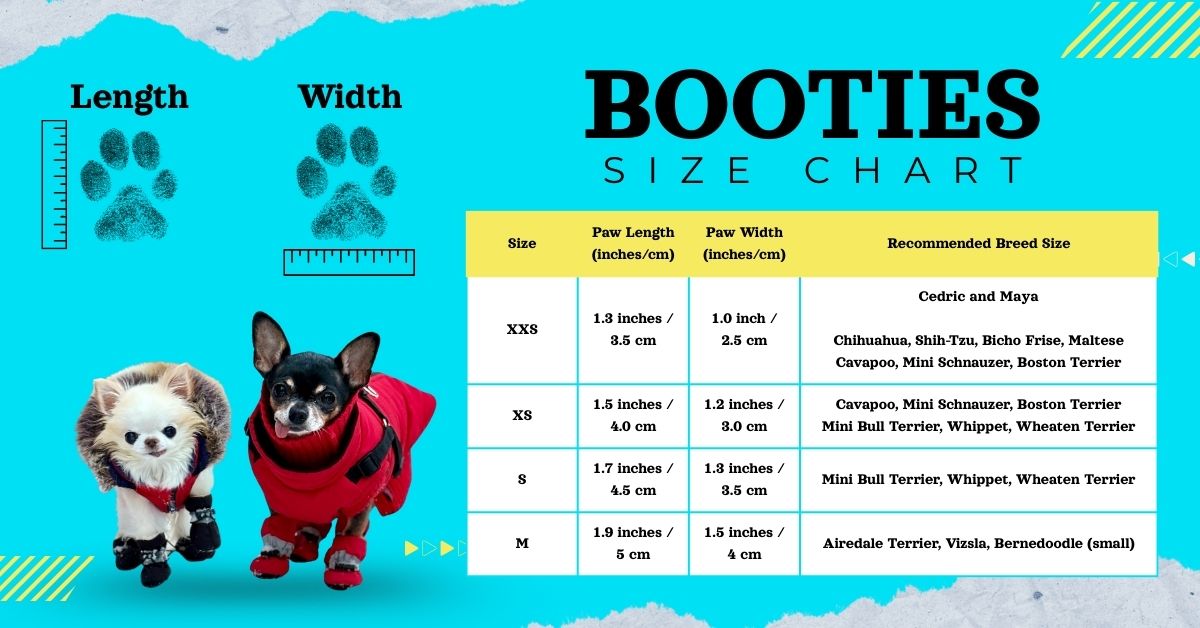
Getting the right fit is the biggest reason tiny dogs either love or hate boots. If boots are too big, they fall off, and if they are too small, they rub and cause sore spots. We recommend measuring each front paw, since some dogs have slightly different sizes.
Step‑By‑Step Measuring
- Have your dog stand on a piece of paper with weight on the paw.
- Mark the widest part of the paw from left to right.
- Measure the distance between the marks in millimeters or inches.
- Compare that measurement with the boot size chart provided on the product page.
Fit Tips For Tiny Breeds
- The boot should slide on with a little wiggle, not a big fight.
- Once secured, you should be able to fit a fingertip under the closure, not more.
- Let your dog walk on a soft surface first and watch for limping, kicking, or constant chewing at the boots.
When To Size Up Or Down
- Size up if the paw sits right on the edge of the measurement and your dog has fluffy fur between toes.
- Size down if your dog easily slides out of the boot, even with the strap secured properly.
Small Dog Winter Boots Vs. Bare Paws: What Really Happens On Cold Walks
When we talk to customers, many wonder if boots are really necessary, especially if walks are short. Tiny dogs often seem “fine” until they suddenly stop and hold up a paw mid‑walk. That little pause is usually the first sign that the ground is too cold or that salt is stinging.
Common Winter Paw Problems Without Boots
- Cracked pads: Dry, frozen surfaces pull moisture out of paw pads and cause painful cracks.
- Salt burns: Road salt and de‑icers can cause redness, swelling, and licking that leads to infection.
- Ice buildup: Snow gets compacted between toes and freezes into hard balls that hurt with every step.
How Boots Help Small Dogs Walk More Confidently
Boots add a thin but effective barrier so your pup focuses on sniffing and trotting instead of tip‑toeing and lifting paws. For shy or anxious dogs, better grip on slippery sidewalks can also reduce slipping and spooking. Many of our tiny testers actually walk longer in cold weather once their paws feel protected.
| With Boots | Bare Paws | |
|---|---|---|
| Paw comfort | Warm, insulated from ice and snow | Cold, risk of numbness and cracks |
| Salt exposure | Barrier between pad and chemicals | Direct contact, possible burns |
| Walk length | Often longer and more relaxed | Often cut short when paws hurt |
Best Outfit Combos: Pairing Small Dog Winter Boots With Warm Apparel
Boots protect paws, but small dogs also lose heat through their chest, belly, and back. A good winter setup usually combines boots with a coat, hoodie, or tracksuit so your pup stays warm from top to toe. We like to think of boots as part of a “winter uniform” that feels cozy and looks adorable.
Maya’s Fitness Tracksuit + Winter Boots
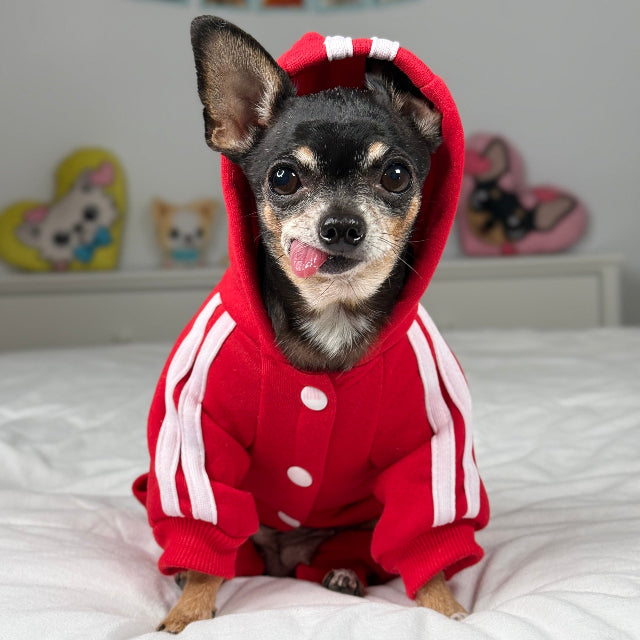
Our Maya’s Fitness Tracksuit for Tiny Dogs gives cotton‑fleece warmth that pairs nicely with winter boots for outdoor walks. At $17.95, it is a comfy everyday option for dogs that get chilly quickly. The tracksuit comes in sizes XS to XXL, so you can match both tiny and slightly bigger siblings.
- Soft fleece interior for warmth during cold walks.
- Full‑body coverage to protect belly and chest from snow.
- Easy to layer with boots for a complete winter look.
Why Layers Matter For Toy Breeds
Tiny dogs often have low body fat and short fur, so they cool down faster than larger breeds. A coat or tracksuit keeps their core warm so their body can maintain good circulation to the paws inside their boots. If your dog shivers even with boots on, it is a sign you should add a layer on top.
Training Your Small Dog To Love Winter Boots
Most small dogs do not magically accept boots on the first try, and that is completely normal. You might see a funny high‑step walk, frozen “statue” mode, or dramatic paw flicks in the beginning. With a bit of training and patience, most tiny pups can learn that boots mean fun outside time.
Step‑By‑Step Boot Training Plan
- Introduce indoors first: Let your dog sniff the boots, and reward with treats.
- Try two boots at a time: Start with the front paws, then the back paws once they adjust.
- Keep first sessions short: 1 to 3 minutes with lots of praise.
- Add fun: Play with toys or practice tricks so your dog forgets about their feet.
- Move to outdoor walks: Once your pup walks comfortably indoors, try a quick trip outside.
Signs The Boots Fit And Feel OK
- Your dog walks, trots, or even runs without constant shaking or chewing at the boots.
- No rub marks on dewclaws or ankles after removing the boots.
- Boots stay on for the full walk without needing to be fixed every few steps.
What To Avoid When Introducing Boots
- Do not rush outside for a long walk the first time your dog wears boots.
- Do not punish or scold if they act silly or freeze, stay upbeat and patient.
- Avoid boots that are obviously too tight or leave marks after removal.
Winter Paw Care Routine: Boots, Baths, And Towels
Even with good boots, tiny paws still need a little extra winter love. Moisture, trapped debris, and leftover salt can still sneak in if a boot shifts or your dog steps into deeper snow. A simple routine around each walk keeps paws healthy all season.
Basic Post‑Walk Checklist
- Remove boots and check paws for redness or debris.
- Rinse or wipe gently if you see salt or dirty slush.
- Dry paws completely, especially between toes, to avoid irritation.
Helpful Winter Support Products
Once paws are clean and dry, let your pup relax in a warm spot to re‑heat their body. Keeping the rest of their fur dry with a soft towel also helps them stay comfortable and ready for the next booted walk. If your dog is anxious about grooming, breaking the process into tiny steps with treats goes a long way.

Why Drying Matters After Using Boots
Any moisture left between toes can cause irritation, especially in cold weather when circulation is not as strong. Dry paws also help boots fit better and last longer, since you avoid putting gear over damp fur day after day. Think of it as your dog’s version of changing out of wet socks after coming in from the snow.
Cute Meets Practical: Winter Boots And Costumes For Tiny Dogs
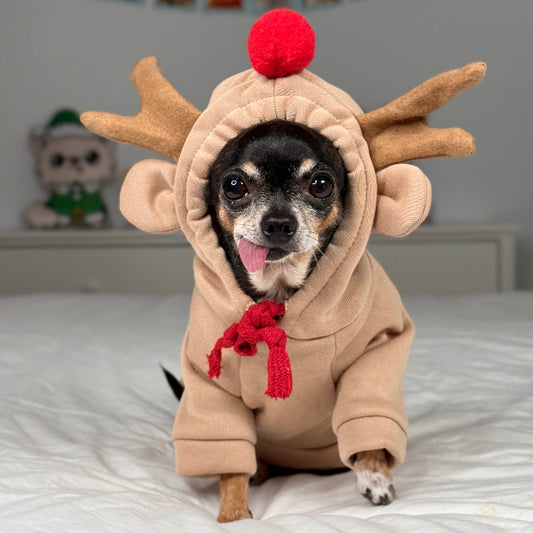
Winter protection does not have to be boring, especially for toy breeds that look extra adorable in outfits. While boots do the serious work of protecting paws, fun costumes and clothes keep your pup warm and make holiday photos even sweeter. Just remember that function comes first, so choose costumes that allow full movement of legs and easy boot fitting.
Boots With Playful Costumes
A warm costume can serve as a light coat for quick outdoor photos or porch visits, as long as it covers the chest and back. Make sure the leg openings give enough space for boots to slide on and secure properly. Avoid long trailing pieces that could tangle around boot straps or trip your dog on stairs.
Comfort Checks With Costumes And Boots Together
- Make sure nothing bunches around the ankles where the boots sit.
- Check that your dog can sit, lie down, and climb stairs normally.
- Limit outdoor time in decorative outfits on very cold days, since many are not as insulated as proper coats.
Matching Your Dog’s Winter Look With Your Own Cozy Style
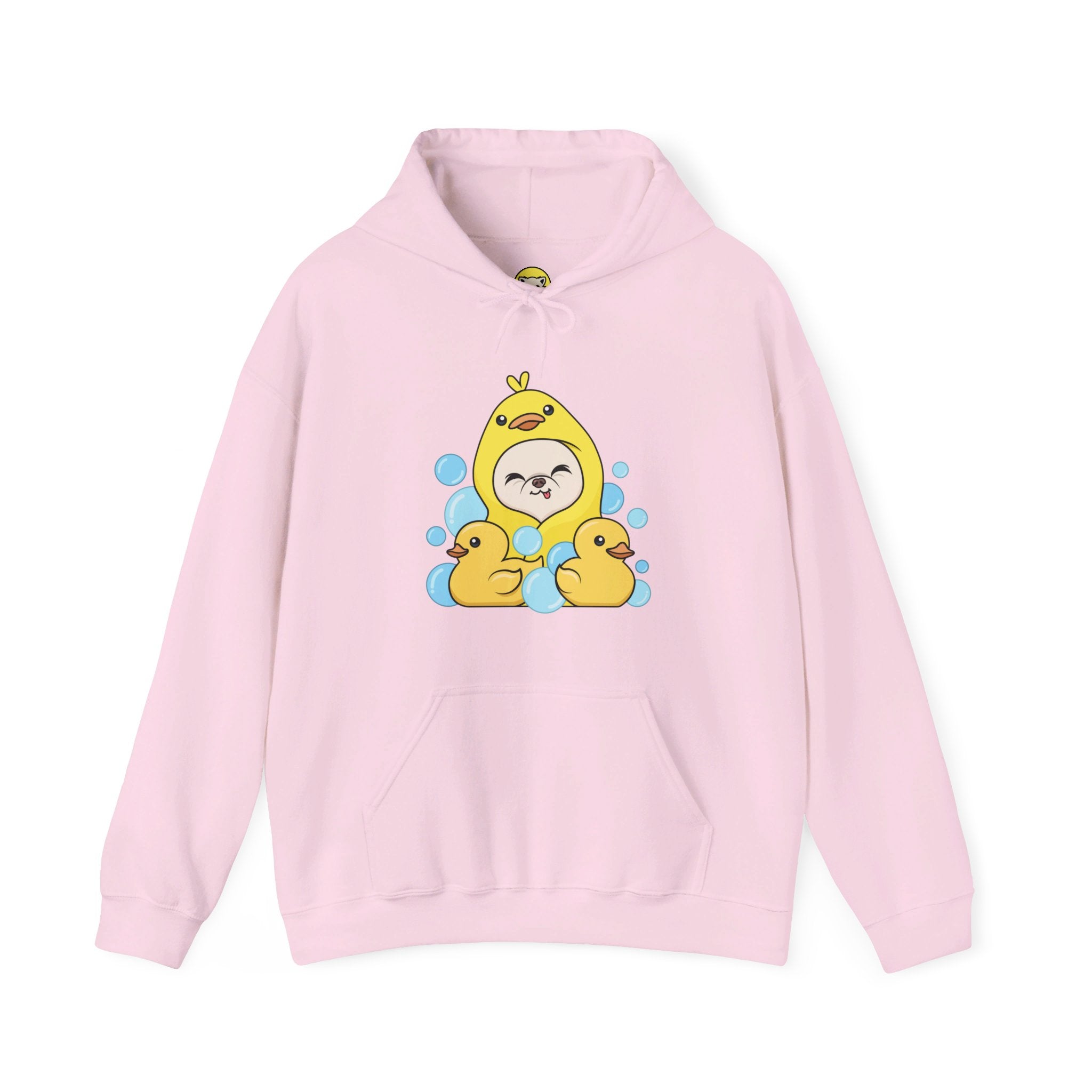
We know many of you love twinning moments with your pups, especially in winter when everyone is bundled up. While your dog wears their boots and warm layers, you can match their vibe with comfy hoodies of your own. It turns winter walks into a little fashion moment instead of a quick dash around the block.
Warm Layers For Humans Walking Booted Dogs
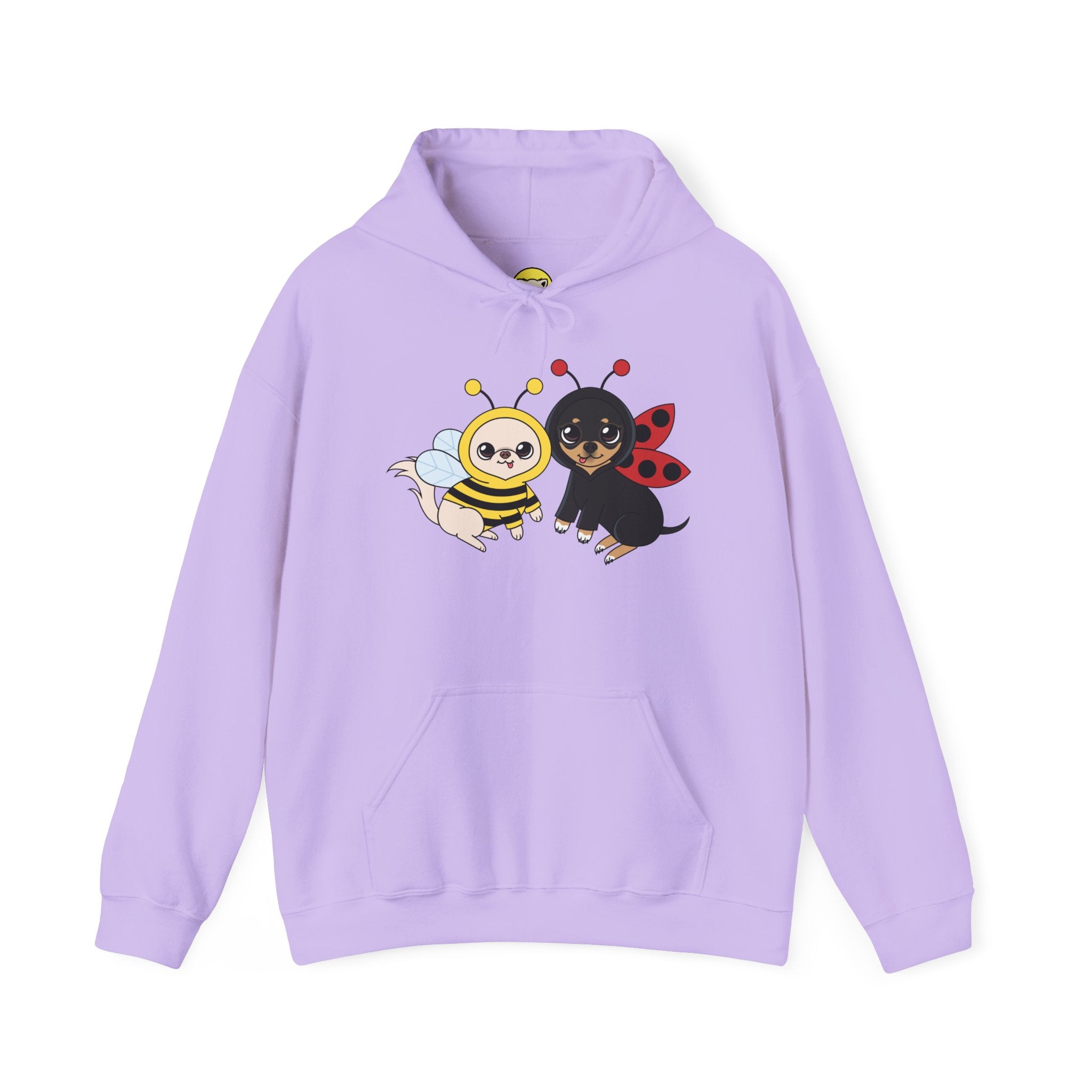
A cozy hoodie with a playful print gives you a bit of fun while you brave the cold with your small dog. When your pup is snug in boots and a coat, having your own favorite hoodie makes daily walks feel more like “team time” and less like a chore. We often see customers send us photos of matching outfits, boots and all, and it never gets old.
Cozy Couple Style For Multi‑Dog Homes
If you have more than one small dog, matching or coordinating outfits make it easier to spot them in the snow and in photos. You can mix different coats or hoodies with the same style of boots so each dog has their own personality while still looking like a team. It is practical and adorable at the same time, which we are always on board with.
Real‑Life Winter Gear: How Customers Use Boots And Layers Together
We hear from a lot of pet parents who start with boots and then slowly build a full winter kit for their tiny dogs. Most begin because their dog started lifting paws on cold sidewalks or refused to walk after a few steps. Once boots help with that problem, adding a coat or warm outfit usually comes next.
Popular Cold‑Weather Pairings
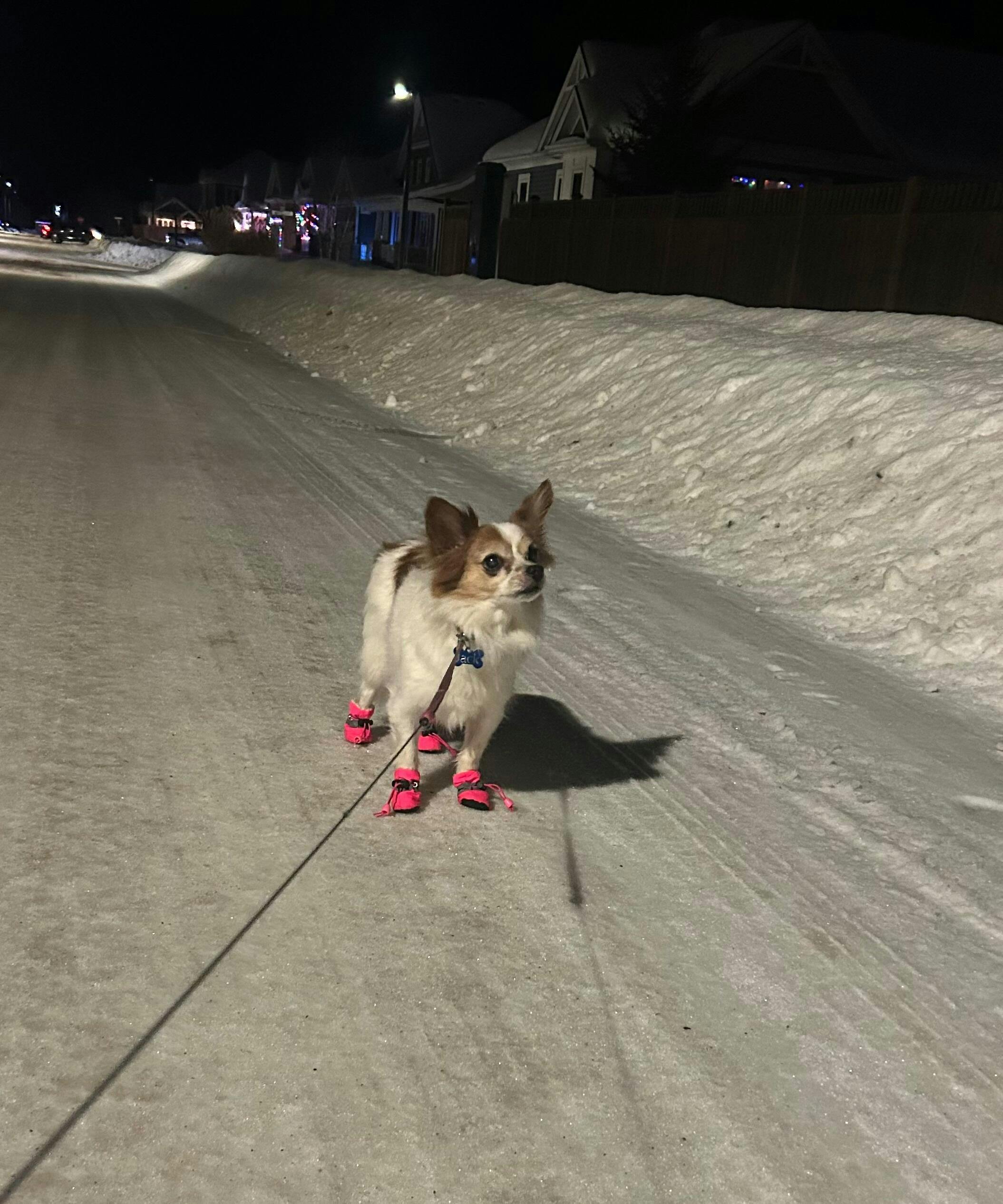
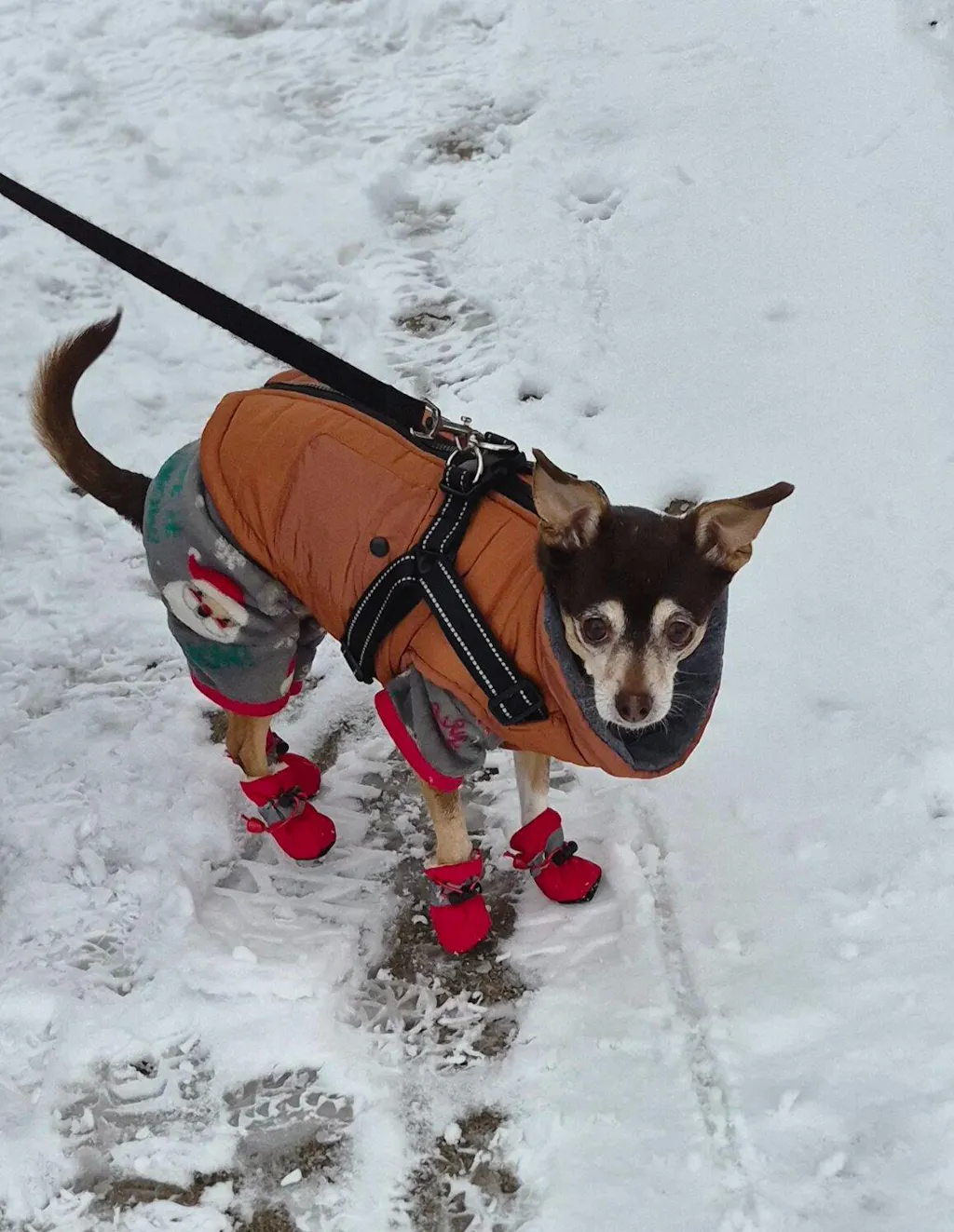
- Small dog winter boots plus fleece tracksuit for city walks on salted sidewalks.
- Boots plus insulated coat for snowy park adventures and photo sessions.
- Boots alone for quick potty breaks on very cold mornings.
What We See From Repeat Winter Boot Buyers
Many customers come back for a second set of boots for another dog once they see how much more comfortable walks become. Others keep a spare set on hand in case a boot goes missing in deep snow or at the dog park. Tiny paws plus cold climates usually equal “boots are not optional” for more than one winter season.
Conclusion
Small dog winter boots are one of the most effective ways to keep tiny paws safe from cold, ice, and salt while still enjoying fresh air and daily walks. When you pair good boots with warm layers, gentle paw care, and a bit of training, winter becomes a season of cozy routines instead of rushed, uncomfortable outings. Whether you share your life with a Chihuahua, a toy mix, or a whole crew of tiny pups, choosing the right small dog winter boots now will help you head into the cold months confident, prepared, and ready for many happy, toasty‑pawed walks together.